

Product Description
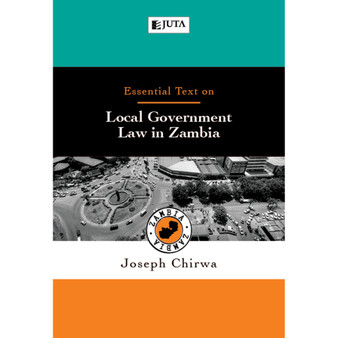
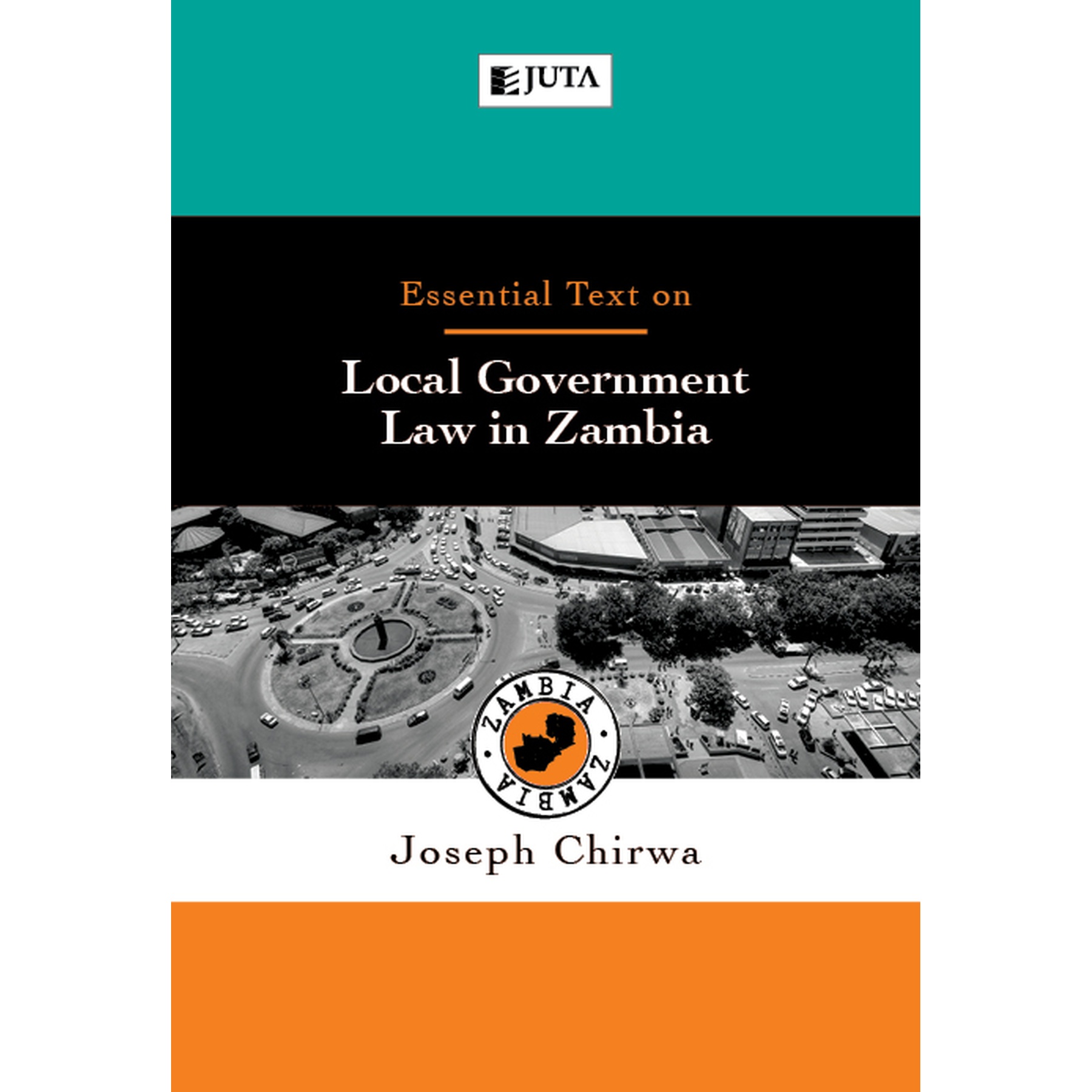
 Essential Text on Local Government Law in Zambia
Author: J Chirwa
Format: Physical Hardcopy
Essential Text on Local Government Law in Zambia is an important book that dissects the concepts and themes surrounding local government in Zambia. The book is a must-have guide for all role-players and stakeholders in local government administration in Zambia. It will be of much use to councillors, local government administrators, public administrators, town clerks, human resources managers and students of law.
Essential Text on Local Government Law in Zambia covers the following topics:
introduction to local government law
the system of local government in Zambia
acquisition of powers
functions of local authority
liability of local authorities
breach of statutory duty
central controls over local authorities
judicial review of administrative action of local authorities
local government finance
local government elections
councillor–officer relationships
council meetings
the committee system
by-laws
alternative dispute resolution
employment, labour and industrial relations
occupational health and safety
 Contents:
-
CHAPTER 1: INTRODUCTION TO LOCAL GOVERNMENT LAW
-
1.1 Introduction
-
1.2 Nature and Scope of Local Government Law
-
1.3 Constitutional Basis for Local Government
-
1.4 Concept and Idea of Local Government
-
1.5 Sources of Local Government Law
-
1.6 Conclusion
-
CHAPTER 2: THE SYSTEM OF LOCAL GOVERNMENT IN ZAMBIA
-
2.1 Introduction
-
2.2 Organs of Government
-
2.3 Corporate Nature of Local Authorities
-
2.4 Establishment of Councils
-
2.5 Central-Local Relations
-
2.6 Conclusion
-
CHAPTER 3: ACQUISITION OF POWERS
-
3.1 Introduction
-
3.2 The Constitution
-
3.3 Direct Legislation
-
3.4 Adoptive Acts
-
3.5 Statutory Instruments, Regulations and Orders
-
3.6 Conclusion
-
CHAPTER 4: FUNCTIONS OF LOCAL AUTHORITIES
-
4.1 Introduction
-
4.2 Nature of Powers of Local Authorities
-
4.3 Functions of Local Authorities
-
4.4 Conclusion
-
CHAPTER 5: LIABILITY OF LOCAL AUTHORITIES
-
5.1 Introduction
-
5.2 Tortious Liability
-
5.3 Contractual Liability
-
5.4 Criminal Liability
-
5.5 Conclusion
-
CHAPTER 6: BREACH OF STATUTORY DUTY
-
6.1 Introduction
-
6.2 Maladministration
-
6.3 Misfeasance
-
6.4 Nonfeasance
-
6.5 Defence of Statutory Authority
-
6.6 Conclusion
-
CHAPTER 7: CENTRAL CONTROLS OVER LOCAL AUTHORITIES
-
7.1 Introduction
-
7.2 Executive Controls
-
7.3 Legislative Controls
-
7.4 Judicial Controls
-
7.5 Conclusion
-
CHAPTER 8: JUDICIAL REVIEW OF ADMINISTRATIVE ACTION OF LOCAL AUTHORITIES
-
8.1 Introduction
-
8.2 Nature and Scope of Judicial Review
-
8.3 Public Bodies and Judicial Review
-
8.4 Locus Standi in Judicial Review
-
8.5 Grounds for Judicial Review
-
8.6 Legitimate Expectation and the Future of Judicial Review
-
8.7 Remedies of Judicial Review
-
8.8 Conclusion
-
CHAPTER 9: LOCAL GOVERNMENT FINANCE
-
9.1 Introduction
-
9.2 Sources of Finance
-
9.3 Constituency Development Fund
-
9.4 Equalisation Fund
-
9.5 Audit
-
9.6 Conclusion
-
CHAPTER 10: LOCAL GOVERNMENT ELECTIONS
-
10.1 Introduction
-
10.2 Mayor and Council Chairperson
-
10.3 Deputy Mayor and Deputy Council Chairperson
-
10.4 Councillors
-
10.5 Election Petitions
-
10.6 Electoral Offences
-
10.7 Conclusion
-
CHAPTER 11: COUNCILLOR–OFFICER RELATIONSHIPS
-
11.1 Introduction
-
11.2 Master–Servant Relationship
-
11.3 Duties and Roles of Mayor and Council Chairperson
-
11.4 Duties and Roles of Councillors
-
11.5 Duties and Roles of the Town Clerk and Council Secretary
-
11.6 Conclusion
-
CHAPTER 12: COUNCIL MEETINGS
-
12.1 Introduction
-
12.2 Types of Meetings
-
12.4 Quorum
-
12.5 Voting
-
12.6 Attendance by Public
-
12.7 Minutes
-
12.8 Conclusion
-
CHAPTER 13: COMMITTEE SYSTEM
-
13.1 Introduction
-
13.2 Rationale for Committee System
-
13.3 Delagation of Powers to Committees
-
13.4 Types of Committees
-
13.5 Conclusion
-
CHAPTER 14: BY-LAWS
-
14.1 Introduction
-
14.2 By-Law Making Powers
-
14.3 Procedure for Making of By-Laws
-
14.4 Judicial Tests as to Validity of By-Laws
-
14.5 Penalties and Enforcement
-
14.6 Powers of Minister to Amend or Revoke By-Laws
-
14.7 Regulations
-
14.8 Standing Orders
-
14.9 Conclusion
-
CHAPTER 15: ALTERNATIVE DISPUTE RESOLUTION
-
15.1 Introduction
-
15.2 Nature and Scope
-
15.3 Advantages over Litigation
-
15.4 Types
-
15.5 Conclusion
-
CHAPTER 16: EMPLOYMENT, LABOUR AND INDUSTRIAL RELATIONS
-
16.1 Introduction
-
16.2 Trade Union Law
-
16.3 Discrimination and Hiv/Aids
-
16.4 Mental Health
-
16.5 Disability Rights
-
16.6 Occupational Health and Safety
-
16.7 Conclusion
-
BIBLIOGRAPHY
-
INDEX
For custom orders and quotes: shop@schoolspace.co.za
© 2026 Schoolspace. This product description is the exclusive intellectual property of the publisher, protected under copyright law. Unauthorized use, adaption, or copying is strictly prohibited.