

Product Description
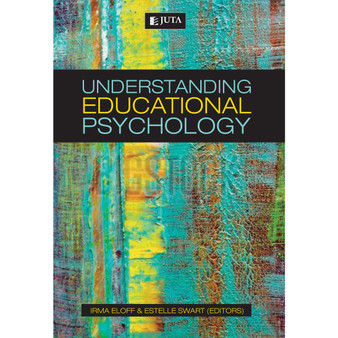
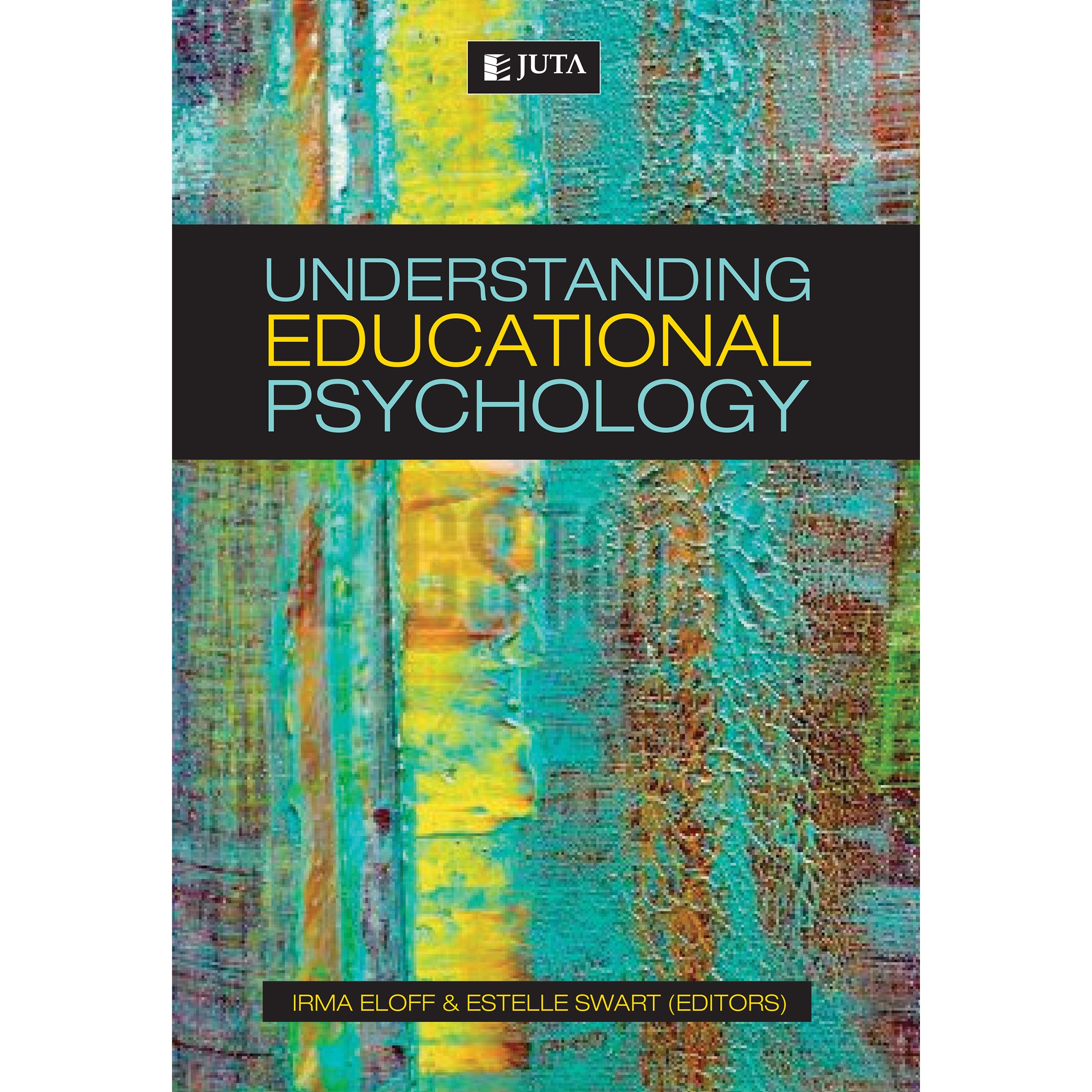
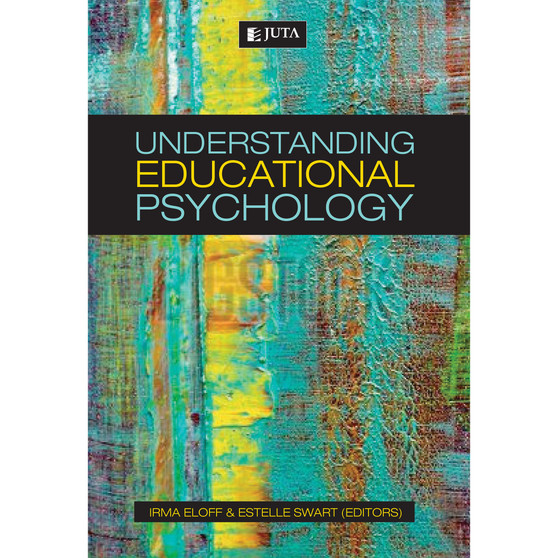
 Understanding Educational Psychology (WebPDF)
Authors: I. Eloff, E. Swart
Format: Digital
If you are wanting insight into the vibrant field of educational psychology in South Africa at the present moment, this is the book for you. Researchers and practitioners from sixteen South African universities have collaborated to provide succinct, thoughtful and contextually relevant insights into the dynamics encountered in educational psychology today.
Educational psychology as a science is explored within a variety of environments and connected to the dynamic profession of being an educational psychologist. The text presents South African examples, which are deeply rooted in the South African context, and presents nuanced understandings of the complexities of educational Psychology as a developing field.
 Contents:
-
Section 1: Introduction
-
1. Educational Psychology as science and a profession in South Africa
-
2. Educational psychology as the intersection between philosophy and psychology and education
-
3. The role of educational psychologists in teaching and learning
-
4. Children’s rights in South Africa: Implications for educational psychologists
-
Section 2: Teachers
-
5. Becoming a teacher
-
6. Teachers as role models
-
7. The emotionally intelligent teacher
-
Section 3: Teaching & Learning
-
8. Teaching for learning in South African schools: A socio-cultural approach
-
9. Learning theories and the use of technology in the classroom
-
10. Learning styles and intelligences in a diverse classroom
-
11. Simultaneous Multisensory Instruction to advance children’s academic achievement
-
12. Indigenous stories and games as approaches to teaching within the classroom
-
13. Whole child development during formal teaching and learning
-
Section 4: Cognition
-
14. Cognition in the world of action
-
15. Piaget, mental networks and learning to act in the world
-
16. Vygotsky, regulating alignment with tools, people and the world
-
17. Knowledge of neuroscience in the classroom
-
18. Cognitive psychology: post-Piagetian notions of childhood conceptual change
-
19. Identity, motivation and achievement
-
Section 5: Language
-
20. Understanding language development and learning
-
21. Communication across the curriculum
-
22. Individual learner support
-
Section 6: Health and well-being
-
23. Teacher well-being and the role of Positive Psychology
-
24. Promoting psychosocial wellbeing in teaching and learning environments
-
25. Enabling spaces for optimal development of learning and wellbeing
-
26. Positive psychology and diversity: accumulation of strengths
-
27. School-based championship of resilience
-
28. The role of self-talk in self-evaluation
-
Section 7: Inclusion
-
29. Inclusive education: the Global movement
-
30. Inclusive education in the South African national context
-
31. Learning support in South Africa
-
32. Teacher Collaboration and working with school-based support teams
-
33. Disability and inclusive employment through the lens of educational psychology
-
Section 8: Schools
-
34. Considering school-based interventions: What do you need to think about?
-
35. Strengthening parental partnerships
-
Section 9: Educational psychological support
-
36. Educational Psychology and aesthetic learning
-
37. Sexuality education
-
38. ‘Teenage pregnancy’ or Early Reproduction
-
39. Exploring the complexity of violence and aggression within the school context
-
40. Gender and gender violence
-
41. Giftedness
-
42. Diagnosis, intervention and support for ADHD
-
43. Assessment and support of learners with autism spectrum disorders
-
44. The brain, cognition and neuro-physical impairment
-
45. Student support services
-
Section 10: Careers
-
46. Life design: the essence of helping people design successful lives and make social contributions
-
47. Career paths to educational psychology
-
48. Pathways to technical and vocational education in the school curriculum
For custom orders and quotes: shop@schoolspace.co.za
© 2026 Schoolspace. This product description is the exclusive intellectual property of the publisher, protected under copyright law. Unauthorized use, adaption, or copying is strictly prohibited.