

Product Description
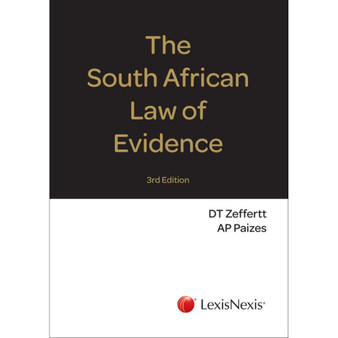
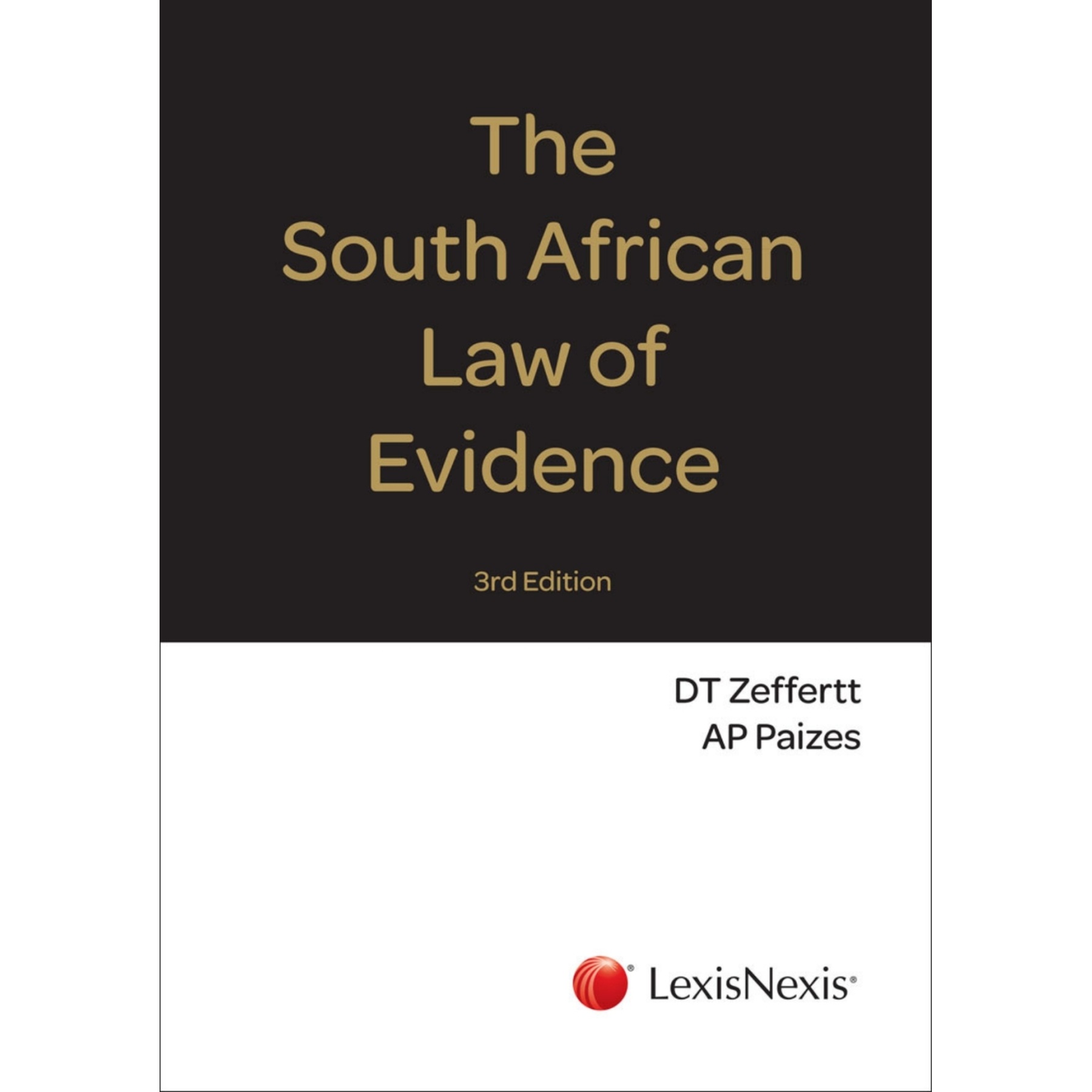
 The South African Law of Evidence (3rd edition) (eBook)
Authors: David Theodor Zeffertt, A Paizes
Format: Digital
This long established work deals with developments in the law of evidence, reflecting the impact of the constitution and the values instilled by it.
It is a thorough examination of the rules of evidence in the South African law against the backdrop of the Constitution. The theoretical basis of the rules, as well as their application by the courts, is discussed.
 Contents:
-
Part I - Introduction and sources
-
Chapter 1 - Definitions, sources and the Constitution
-
Part II - Proof
-
Chapter 2 - The South African evidentiary system and theories of proof
-
Chapter 3 - The onus of proof
-
Chapter 4 - Circumstantial evidence and inferential reasoning
-
Chapter 5 - Cogency and proof, aspects of the onus of proof, the evidentiary burden, the meaning of "prima facie" and other topics relating to proof
-
Chapter 6 - Presumptions
-
Part III - Admissibility
-
Chapter 7 - Relevance and admissibility
-
Chapter 8 - Character
-
Chapter 9 - Similar facts
-
Chapter 10 - Opinion
-
Chapter 11 - The parole evidence rule
-
Chapter 12 - The best evidence rule
-
Chapter 13 - Hearsay
-
Chapter 14 - Previous consistent statements
-
Chapter 15 - The res gestae
-
Chapter 16 - Informal admissions and confessions
-
Part IV - Privilege
-
Chapter 17 - Privilege
-
Part V - Public policy (Illegally and Unfairly Obtained Evidence and State Privilege)
-
Chapter 18 - Illegally and improperly obtained evidence
-
Chapter 19 - State privilege and public policy
-
Part VI - Machinery of proof
-
Chapter 20 - Competence and compellability of witnesses
-
Chapter 21 - Documentary evidence
-
Chapter 22 - Real evidence
-
Chapter 23 - Judicial notice
-
Chapter 24 - The rules of trial
-
Part VII - Corroboration and caution
-
Chapter 25 - Corroboration and cautionary rules
For custom orders and quotes: shop@schoolspace.co.za
© 2026 Schoolspace. This product description is the exclusive intellectual property of the publisher, protected under copyright law. Unauthorized use, adaption, or copying is strictly prohibited.