

Product Description
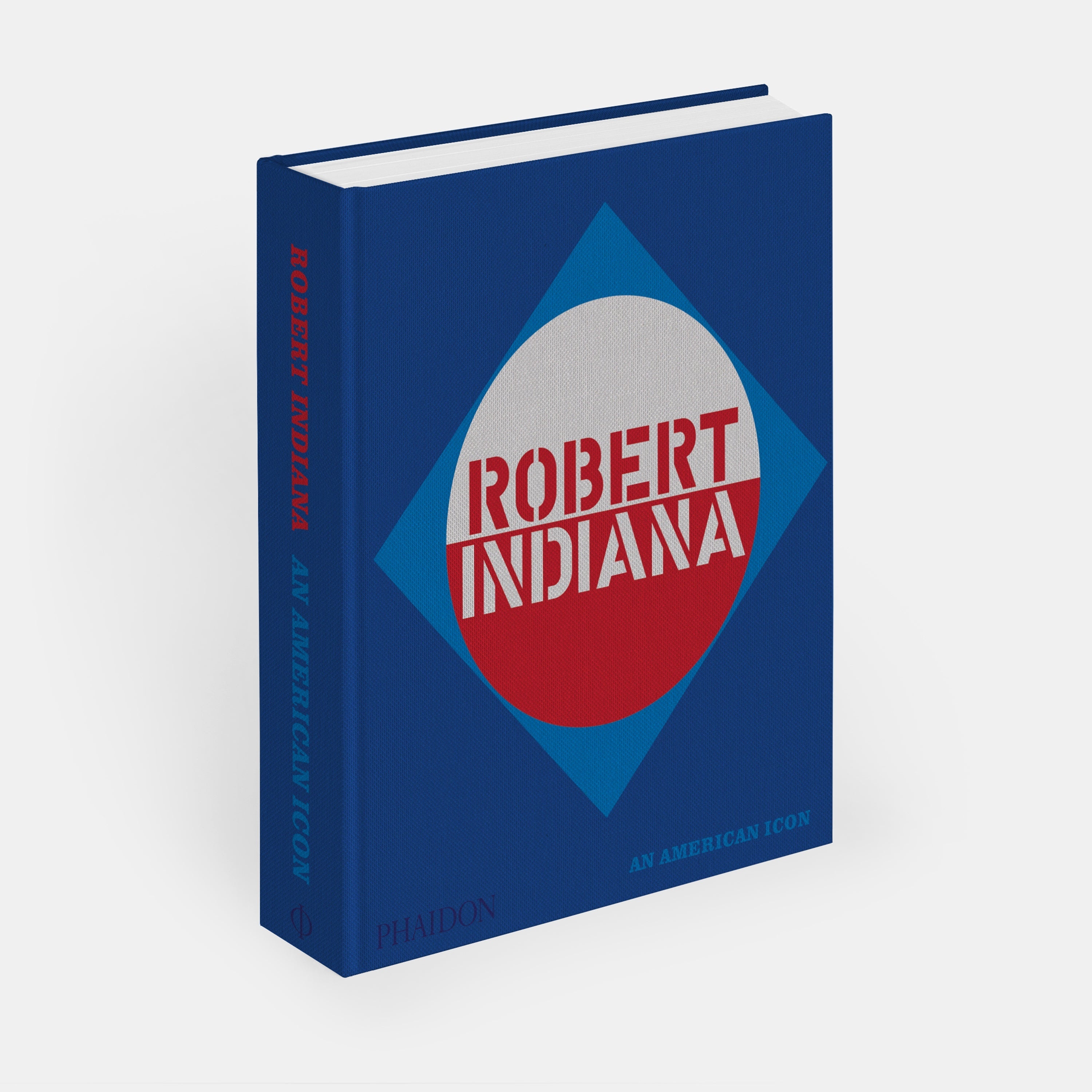
 Robert Indiana: An American Icon
Format: Physical Hardcopy
A revelatory monograph on the groundbreaking artist at the forefront of Pop art, assemblage, and hard-edge painting and sculpture
Robert Indiana is one of the most significant artists of the twentieth century. Emerging in the 1960s, his bold work explored themes of American identity, personal narrative, and the power of color, form, and language.
Known for his contributions to Pop art, assemblage, sculpture, and hard-edge painting, Indiana was deeply attuned to the historical, linguistic, and psychological structures that have shaped America’s identity. His transformation of words and numbers he personally identified with into universally legible symbols resonates across generations of artists and audiences who followed him.
Robert Indiana: An American Icon is a comprehensive survey of his life and career. Created in close collaboration with The Robert Indiana Legacy Initiative, this landmark volume invites readers to rediscover Indiana through more than 450 career-spanning images of his paintings, sculpture, and works on paper, along with rare archival materials and a facsimile of Indiana’s handwritten journals with sketches.
A foreword by Simon Salama-Caro, a longtime steward of Indiana’s work, provides personal reflections on the artist. A revelatory suite of essays by three leading art historians offers insights into his work and legacy. Prudence Peiffer focuses on Indiana’s investigation of American identity and his innovative use of language in art.
Richard Meyer’s text delves into codification and layering in the work of Indiana, examining what the inclusion of language allowed him, as a gay artist, to express, and the ambiguous ways it echoes the encoded knowledge and necessary indirection of queerness in the mid-century.
Robert Pincus-Witten’s historic essay explores how Indiana transcended categories such as Pop art and assemblage, while examining his time on New York’s Coenties Slip, a creative hub for artists such as Agnes Martin, Ellsworth Kelly, and Jack Youngerman. Also featuring an example of the artist’s own writing alongside two historic interviews, this book offers a chance to hear directly from a celebrated artist whose influence still resonates today.
This monograph traces Indiana’s journey from his years in Coenties Slip – where he forged a visual language – through to the decades he spent on the island of Vinalhaven, Maine, producing some of his most introspective work. While Indiana is widely known for his Love image, created in 1964, this book uncovers the deeper dimensions of his practice, revealing an artist whose work challenged the idealized image of the American Dream.
Meticulously produced, the book includes previously unpublished materials, offering a fuller understanding of Indiana’s legacy. With color plates of career-spanning work, an insert facsimile of the artist’s handwritten journals, a sweeping illustrated chronology, and expansive gatefolds, Robert Indiana: An American Icon is a reintroduction to a vital American voice, seen in full.
For custom orders and quotes: shop@schoolspace.co.za
© 2026 Schoolspace. This product description is the exclusive intellectual property of the publisher, protected under copyright law. Unauthorized use, adaption, or copying is strictly prohibited.