

Product Description
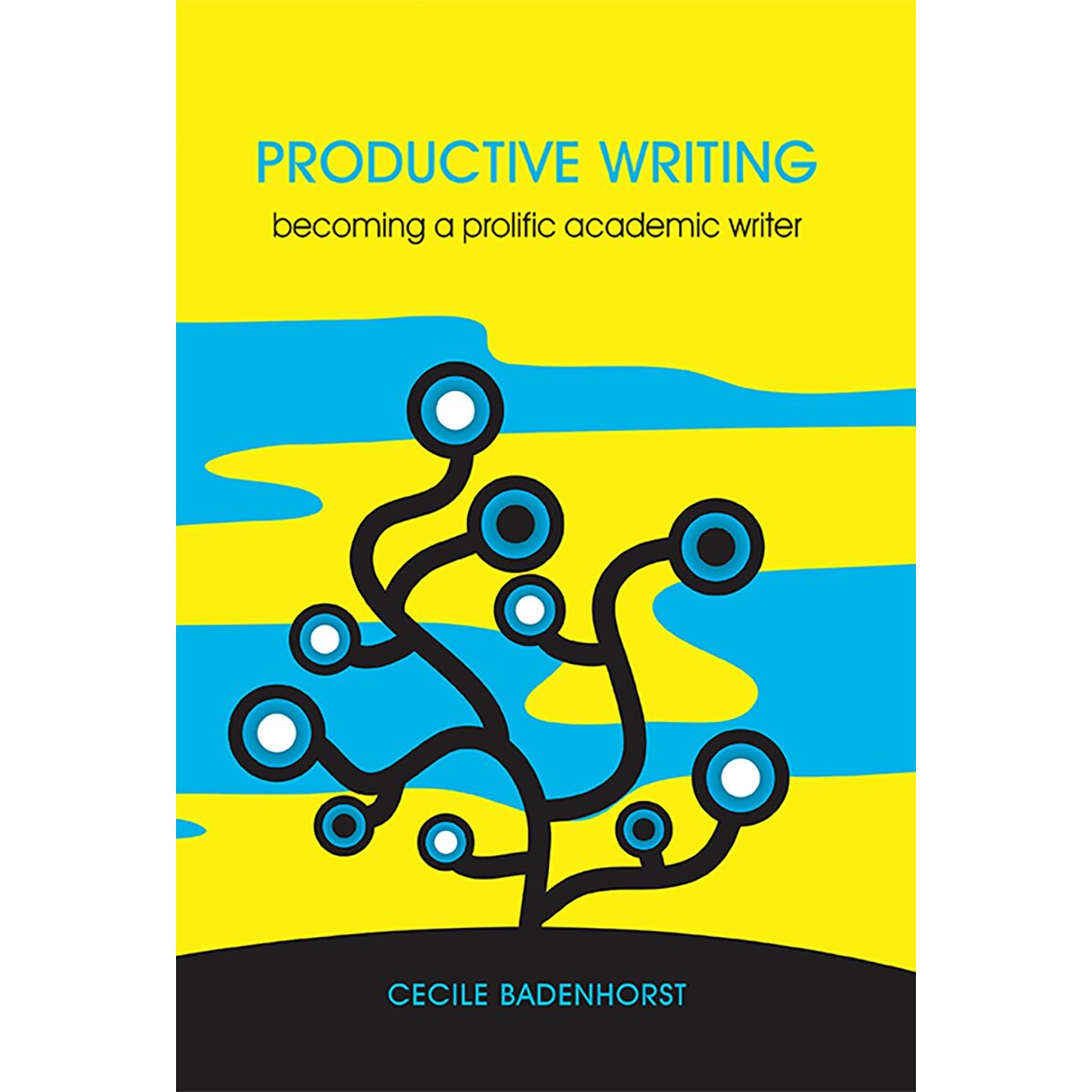
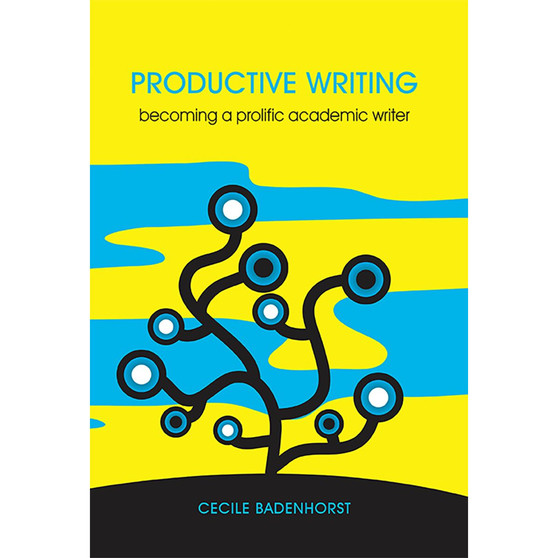
 Productive Writing – Becoming a Prolific Writer
Author: C Badenhorst
Format: Physical Hardcopy
A productive writer writes regularly, produces goal-directed written work and enjoys the process. Productive Writing addresses the problem of why some people publish with ease and others struggle, and seeks to take the non-productive writer and turn him or her into a prolific one.
Important themes in the book are dealing with writer's block, procrastination and making time to write. An array of explanations, research and activities is presented to encourage exploring, thinking, speculating, testing, documenting, questioning and developing authority. Crafting the document itself is just one part of the writing spectrum.
The increasing focus on research and publishing at universities and universities of technology makes this book an important contribution to the available literature on research. Addressing throughput for postgraduate students and output for academic staff, the book is aimed at both these categories.
Productive Writing complements two earlier research books by Cecile Badenhorst, Research writing and Dissertation writing , and focuses on important aspects of research that are not covered in those books.
 Contents:
-
PART 1 INTRODUCTION: DREAMS OF WRITING 1 Why read this book? 2 Dreamers dreaming: my story 3 Castles-in-the-air: a dream metaphor 4 Thinking in colour 5 Publish or perish: academics writing 6 Fear and fantasy: students writing 7 What productive writers do tacitly 8 Beliefs about writing 9 Stock footage: the writing process 10 The shadow world of peer review 11 Fast forward: changing time 12 Why is writing so difficult?
-
PART 2 ON THE NIGHTMARE 13 Trapped in the dark: writer’s block 14 Blurred shapes: thinking, acting, feeling 15 Thinking and writing 16 Writing and emotions 17 Actions and writing 18 Paralysed: procrastination 19 Paralysed and screaming: academics and procrastination 20 The vertigo effect 21 The procrastinator returns 22 What type of procrastinator are you? 23 The scorpion’s tail: disabling ourselves 24 Pointing fingers: criticism 25 The monster in the mirror: internal criticism 26 Watching the critic 27 Threatening mists – self-deception
-
PART 3 SHIFTING PERSPECTIVES 28 Meta-cognition 29 Lucid dreaming: what makes us work at writing? 30 Because I want to: motivation 31 Locked down: self-control 32 Self-regulation and writing 33 Falling: when self-regulation lapses 34 The writing machine: developing self-regulation 35 Deep focus: believing in yourself 36 Self-belief and writing 37 A writing story 38 Discovering new rooms 39 Seeing the monster: overcoming the urge to delay 40 The open gate: handling criticism 41 Close-up: working with referees’ reports 42 Voices from the periphery 43 Collaboration 44 Dreaming big: book writing
-
PART 4 BEYOND WORDS: WRITING THE DREAM 45 Patting the wolf: lack of time 46 The value of time 47 Time to write 48 Spirals and cycles: writing careers 49 Catching the runaway train: setting goals 50 Smoke and mirrors: reflection 51 Wild dreaming: the writer’s 52 Walking on air: thinking 53 Calypso moods: feeling 54 Animated writing: actions 55 An unfixed destiny: possibilities 56 Walking the high road: academic thinking 57 The dreamer or the dreamed: identity 58 Writing in the flow 59 The waking dream: a meaning-filled life
About the Author
Cecile Badenhorst is a research fellow at the School of Public and Development Management at the University of the Witwatersrand. For many years she ran the PhD programme and taught courses such as Qualitative Research Methodology and Research Report Writing. She holds a PhD in Geography from Queen?s University, Kingston, Ontario; a Postgraduate Diploma in English Language Education from Wits; and a Certificate in Qualitative Research from the University of Georgia, United States. She has published articles in peer-reviewed accredited journals, as well as works of fiction and various non-fiction publications for children.
For custom orders and quotes: shop@schoolspace.co.za
© 2026 Schoolspace. This product description is the exclusive intellectual property of the publisher, protected under copyright law. Unauthorized use, adaption, or copying is strictly prohibited.