

Product Description
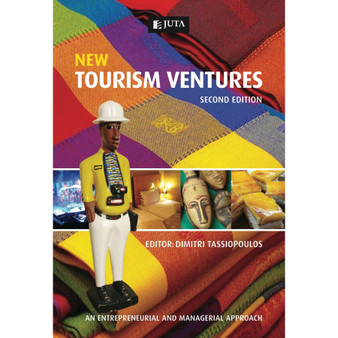
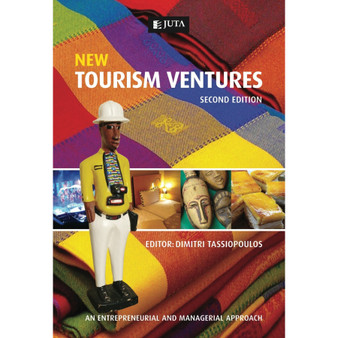
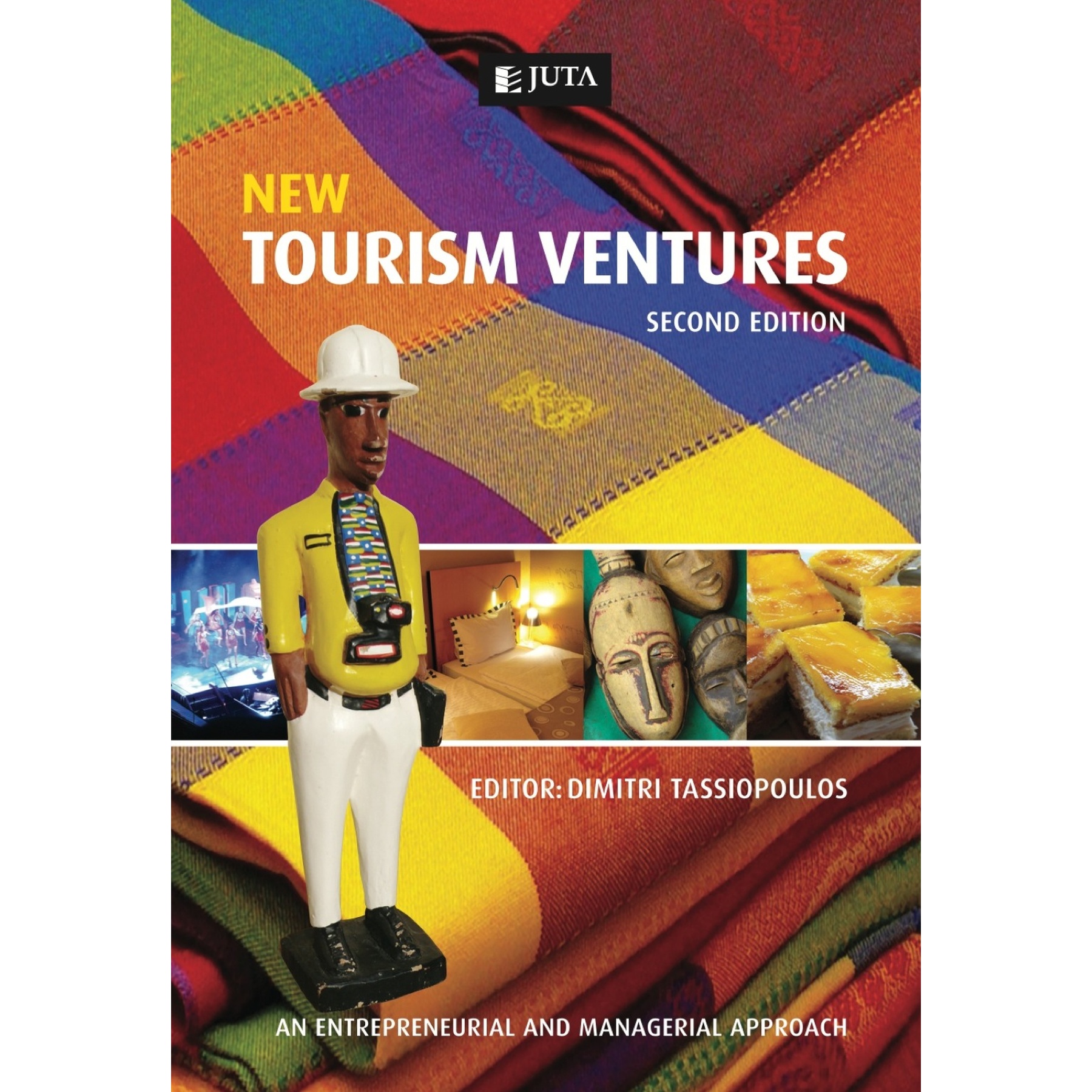
 New Tourism Ventures (2nd edition) (WebPDF)
Author: D Tassiopoulos
Format: Digital
Small and medium tourism enterprises (SMTEs) are considered to dominate the global tourism industry numerically, forming the backbone for the delivery of tourism offerings. These enterprises take the form of a range of hotels, bed-and-breakfast accommodation, travel agencies, restaurants, theme parks, events companies, resorts, tourist guides and tour operators, to mention a few.
The second edition of New Tourism Ventures: an entrepreneurial and managerial approach provides a definitive grounding of how to create and manage tourism ventures. This edition takes an entrepreneurial and managerial approach to the subject, underpinning the various concepts associated with tourism entrepreneurship. The subject is discussed within the context of international best practice and research.
Key Features
• User-friendly new layout
• Real tourism venture examples to illustrate concepts
• A blend of theoretical principles and practice
• International best practice and research
• Case studies demonstrating real-life issues and providing a framework for discussion
• Lists of further reading at the end of each chapter
• End-of-chapter discussion questions which draw out issues.
 Contents:
-
Part Introduction
-
Chapter 1: Entrepreneurship and the tourism economy
-
Abstract
-
Chapter objectives
-
Introduction
-
Background
-
Classification of SMEs
-
International perspective on tourism
-
Supply and demand – role of SMTEs in the tourism economy/sector
-
Tourism and entrepreneurship: a discussion
-
Profile of a typical SMTE
-
1The role of the hospitality “industry”
-
Summary
-
Issues to ponder
-
Relevant Internet sites to visit
-
Chapter 2: Entrepreneurial environments, processes and types
-
The impact of change on the SMTE–environment relationship
-
The interaction between the SMTE and the environment
-
Environmental scanning
-
The SMTE–environment relationship
-
The entrepreneurial process
-
Entrepreneur typologies
-
Chapter 3: Family ventures: opportunities, challenges and succession
-
What is a family business
-
Management implications
-
Chapter 4: Strategic perspectives
-
The nature of new SMTEs
-
Responsible tourism and corporate social responsibility
-
PART B Opportunities for new ventures
-
Chapter 5: Creativity and innovation
-
Determinants of innovation and creativity in tourism
-
Creativity and innovative organisations
-
The role of entrepreneurs and intrapreneurs for business
-
creativity and innovation
-
Implications for SMTEs
-
Chapter 6: Evaluating the opportunity
-
The role of entrepreneurship
-
Entrepreneurial decision-making
-
Source of entrepreneurial opportunities
-
Evaluating the environment and potential resources
-
Evaluating the opportunities
-
Chapter 7: Intrapreneurship in the venture
-
Sustainable tourism, entrepreneurship and intrapreneurship
-
Differences between entrepreneurs and intrapreneurs
-
The evolution of entrepreneurship to intrapreneurship
-
Intrapreneurship in sustainable tourism ventures
-
Obstacles and hurdles to intrapreneurship
-
The role of leadership in intrapreneurship
-
Implications of intrapreneurship in SMTEs
-
Chapter 8: Purchasing a venture
-
Types of venture forms to purchase
-
Buying an existing SMTE
-
Reasons for buying an existing SMTE
-
Advantages and disadvantages of buying an SMTE
-
Finding an SMTE to buy
-
Investigating and evaluating the existing tourism enterprise
-
Valuation of the tourism enterprise
-
Managing buy-ins and buy-outs
-
Negotiating and closing the deal
-
Chapter 9: Franchising
-
About franchising
-
Intrapreneurship, entrepreneurship and franchising
-
Franchising systems
-
Franchise roll-out models or options
-
Why open a franchise?
-
Franchising legal arrangements
-
International franchising
-
PART C Planning the new venture
-
Chapter 10: Understanding the business plan
-
Planning process
-
Business planning
-
Before crafting the business plan
-
Crafting the business plan: format and outline
-
After crafting the plan: presentation and communication
-
Challenges and obstacles
-
Chapter 11: Compiling the business plan: marketing plan
-
Purpose and significance
-
The structure of the marketing plan
-
Chapter 12: Compiling the business plan: financial plan
-
The backbone: where market research, strategy and finance converge
-
Where will the money come from?
-
Traditional sources of capital
-
Bootstrapping as a source of capital
-
Estimating budget for start-up capital and sunk costs
-
The basic tools of the financial plan
-
The sales mix forecast
-
A word on service-based tourism ventures
-
The cash flow forecast
-
The income statement (or profit and loss statement)
-
The balance sheet
-
Using ratios for performance analysis and benchmarking
-
Ratios that indicate liquidity
-
Ratios that indicate profitability
-
Ratios that indicate financial or operational efficiency
-
Planning for seasonality and longer-term trends
-
What to measure: the triple bottom-line approach
-
Margin management strategy in action
-
Option one: Grow turnover by 10% through aggresive promotion
-
Chapter 13: Compiling the business plan: organisational and management
-
plan
-
Organisational issues
-
Strategic choice for an SMTE
-
Organisational management
-
SMTE management portfolio
-
Chapter 14: Compiling the business plan: operations plan
-
Research and design of products and services
-
Tourists and service delivery in tourism
-
Capacity and output
-
Purchasing management and material requirements
-
Service blueprint as an operational mechanism
-
Quality management (QM)
-
Forecasting
-
Synergies to reduce operational costs
-
Operations challenges
-
Chapter 15: Compiling the business plan: service excellence plan
-
Compiling the business plan: developing a customer service excellence plan
-
Step 1. Assess the characteristics of tourism
-
Step 2. Why customer service excellence is so important
-
Step 3. Research your customers’ needs
-
Step 4. How to achieve and maintain excellent customer service
For custom orders and quotes: shop@schoolspace.co.za
© 2026 Schoolspace. This product description is the exclusive intellectual property of the publisher, protected under copyright law. Unauthorized use, adaption, or copying is strictly prohibited.